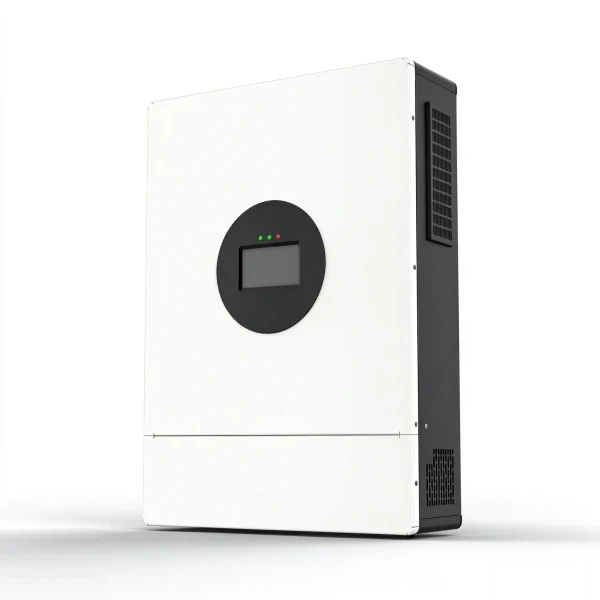
Hybrid inverter
SPI Series 8–12 kW
8–12 kW, dual MPPT at 500 Vdc, 220 A of charging, 120/240 V split-phase, generator input with 63 A bypass.
8–12 kW2 × MPPT48 Vdc
View series →
Hybrid inverters
One box that takes PV, battery, grid and a generator, and decides between them. Built for the sites where the grid is unreliable but not absent — which is the configuration most of Latin America, Africa and South Asia actually runs on.
Platforms
Every platform below has a full specification table — including models that are not in the brochure.
Hybrid inverter
8–12 kW, dual MPPT at 500 Vdc, 220 A of charging, 120/240 V split-phase, generator input with 63 A bypass.
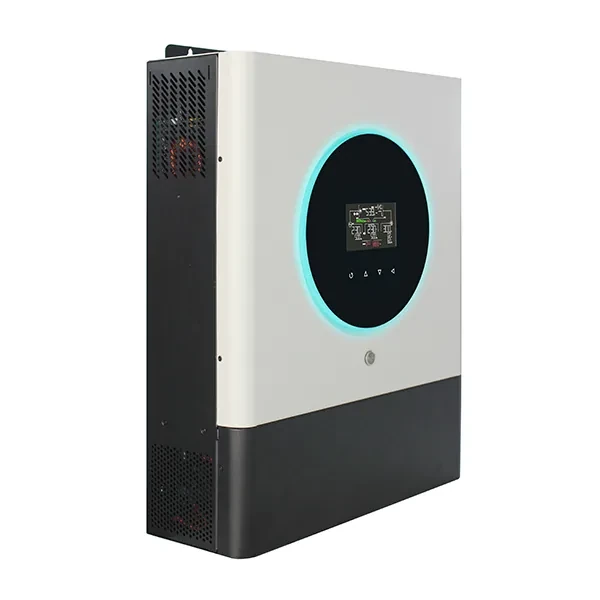
Hybrid inverter
8–11 kW with two PV inputs and up to 150 A of solar charging, parallel to six units.
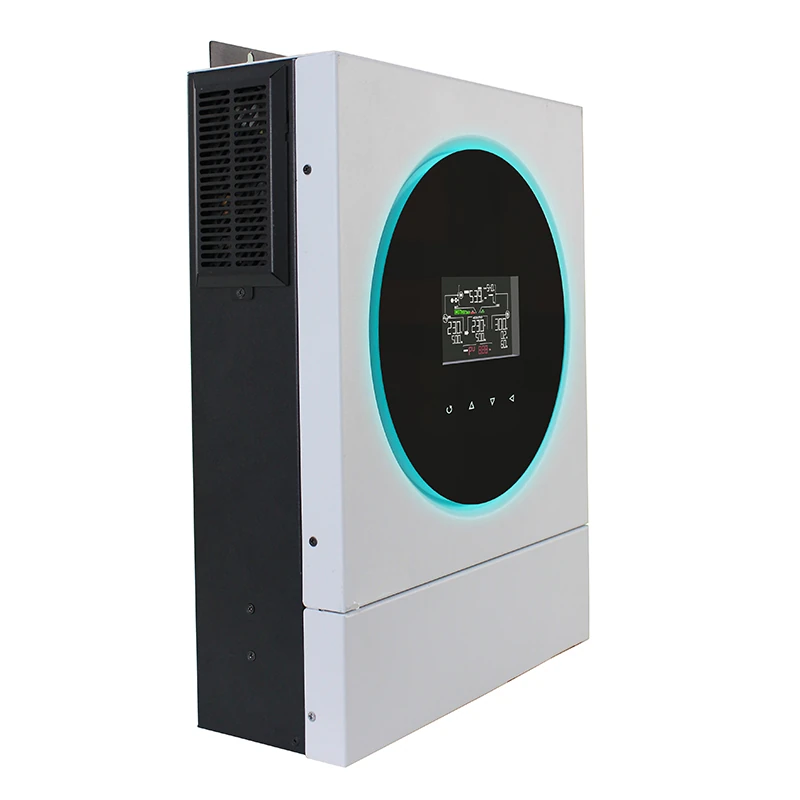
Hybrid inverter
4–6 kW for homes and small commercial sites: built-in WiFi, 4.3-inch colour display, 100 A charging.
What you are paying for
A grid-tie inverter shuts down when the grid does — that is a safety requirement, not a fault. These keep the critical load running from battery and PV, and charge from whichever source is available, including a generator.
VM IV and VM II run on 48 V banks, lead-acid or lithium — our LV Series bolts straight on with no high-voltage cabinet. SPI takes two 500 Vdc strings with independent MPPT and up to 220 A of charging current, so a larger array does not need a second inverter.
SPI outputs 120 V single-phase or 240 V split-phase, and parallels to six units — three-phase output when paralleled. That is the configuration most Caribbean and Central American commercial sites ask for.
Selection
Written the way a quote request usually arrives: a load, a room and a voltage.
| If the site needs | Battery architecture | Platform |
|---|---|---|
| A home with an existing 48 V bank | 48 V, 40–60 Vdc | VM IV 4–6 kW |
| Two arrays and 8–11 kW of load | 48 V, up to 150 A charging | VM II 8–11 kW |
| Generator + split-phase 120/240 V | 48 V, 220 A charging | SPI 8–12 kW |
| Storage to go with it, 5–16 kWh | 51.2 V modules, 15 in parallel | LV Series |
| Storage above 80 kWh | 256–768 Vdc stack | HV Stack 80–241 kWh |
Inverters are battery-agnostic within their voltage window — they will run lead-acid today and lithium when the bank is replaced, which is how most of these sites actually upgrade.
Also relevant
Sizing questions that come up before every order are answered on the selection FAQ — kVA versus kW, runtime arithmetic, 50/60 Hz and non-standard voltages.
Daily kWh, peak kW, battery chemistry and whether there is a generator. We will come back with an inverter, a bank size and a wiring diagram.